

What to Know About Pope Leo's Lung Cancer Diagnosis
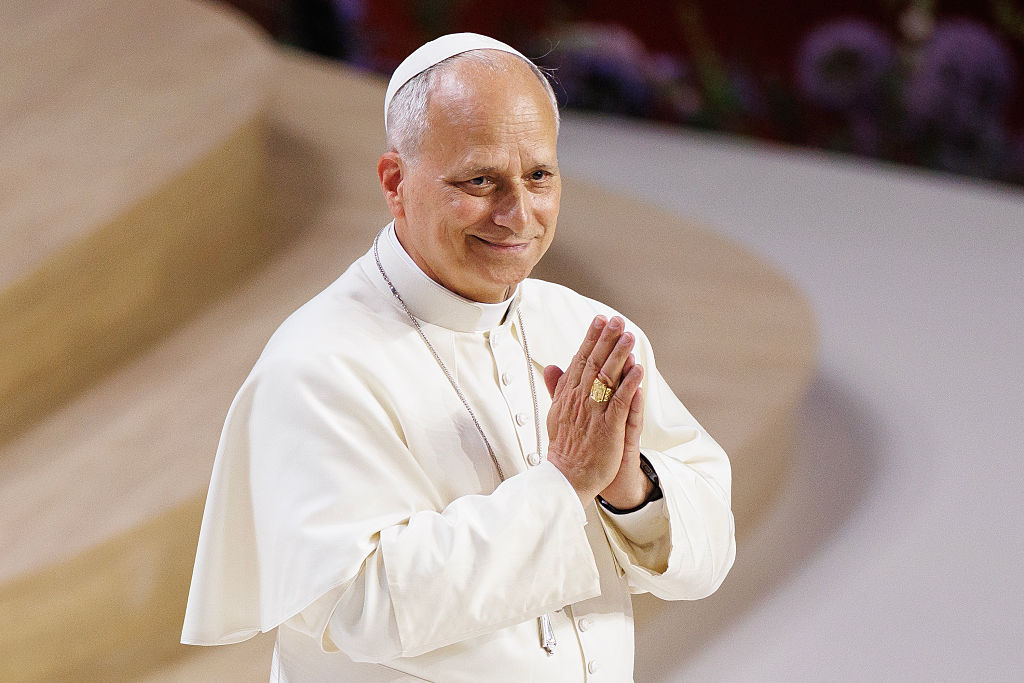
After discovering a nodule in Pope Leo XIV's lung, surgeons at Gemelli Hospital in Rome performed surgery on Tuesday that revealed the Pope has cancer.
Dr. Stefano Margaritora, professor of thoracic surgery at the Catholic University of Sacred Heart, led the team that operated on the Pope at Gemelli, which has long provided care for Popes. The surgery was prompted after the Pope’s medical team, led by Dr. Luigi Carbone, found a suspicious nodule and performed tests that suggested it could be cancerous, according to a statement released by the Vatican. During the 90-minute operation, Margaritora removed the lower lobe of the Pope’s right lung, and further testing of the tissue confirmed adenocarcinoma.
What is lung adenocarcinoma?
Lung adenocarcinoma is the most common type of lung cancer worldwide, accounting for 40% to 45% of lung cancer cases globally. Adenocarcinomas belong to a broader category of lung cancers known as non-small cell lung cancer, which tend to grow more slowly and spread less quickly to other parts of the body. Detecting adenocarcinomas early can help keep them from progressing to advanced disease.
How is lung cancer detected?
Current recommendations in the U.S. and most of the world advise low-dose CT scans to screen for lung cancer in high-risk people only: those 50 years or older who have smoked heavily in the past or who currently smoke. Many non-smokers are diagnosed with lung cancer when they get a chest CT for another reason, such as after an accident or other injury. Some advocacy and patient groups are pushing for expanded screening among those at higher risk so that more people can benefit from early detection, including those who are younger and may have been exposed to other factors that can increase lung cancer risk, like radon in the environment. “The best chance to cure lung cancer is when it’s Stage 1 and very early,” says Dr. David Jones, chief or thoracic surgery at Memorial Sloan Kettering Cancer Center, who was not involved in the Pope’s care. “That’s what screening can help with.”
The Pope's smoking history is not publicly known, but lung adenocarcinoma occurs in both smokers and non-smokers, says Jones. “Lung adenocarcinoma is by far the most common type of lung cancer in non-smokers,” he says.
Why did surgeons remove part of the Pope’s lung?
Surgeons decided to remove part of the Pope’s lung “to ensure a radical resection,” according to the Vatican statement. That means doctors wanted to be sure they removed any tissue that might be cancerous, giving the Pope the strongest chance of avoiding any recurrence of disease.
How long will the Pope be hospitalized?
The Pope woke up from surgical anesthesia without any complications, and requested dinner while conversing with Vatican staff. He will be observed as additional tests are performed on his removed cancer tissue to guide doctors on what treatments might be needed next. The Vatican anticipates the Pope will remain at Gemelli for one week.
What are the treatments for lung adenocarcinoma?
The Pope’s treatment options depend on what additional tests on his tumor reveal. For some patients with Stage 1 cancer that has not spread to the lymph nodes, surgery and monitoring for recurrence may be sufficient, says Jones.
If the cancer is more advanced, a number of relatively new options for lung cancer are available, including targeted therapies designed to specifically attack certain mutations in cancer cells, or immunotherapy, which activates the immune system into destroying cancer cells. “The innovation in treatments for lung cancer have been profound,” says Karen Knudsen, CEO of the Parker Institute for Cancer Immunotherapy. Adenocarcinomas tend to have high numbers of mutations, which make them good targets for the immune system to recognize as foreign. That also makes them promising targets for checkpoint inhibitors, a new category of cancer therapy that releases the brakes on immune cells and allows them to better detect and destroy cancer cells. “Our knowledge base is improving, and there are better outcomes for non-small cell lung cancer because of immunotherapy,” says Knudsen.
Some patients can rely on targeted therapies alone and avoid chemotherapy, says Jones, while others may need chemo with immunotherapy, depending on how much of the cancer surgeons were able to remove and whether the cancer had spread to the lymph nodes.
Will Pope Leo be able to resume his papal duties?
The Vatican reports that prior to the surgery, the Pope was active, playing tennis and taking regular walks, and with the range of treatment options now available to treat his cancer, experts believe he should be able to return to his daily activities. “Advances in treatments all point to better prognosis and quality of life for patients with lung cancer,” says Jones. “And given his history of physical activity, even after removing one lobe of his lung, he should be able to do what he wants to do with very little limitation.”
FIP XML/RSS/RDF Newsfeed Syndication https://freeinternetpress.com/rss.php
© 2026 FreeInternetPress.com
Free Internet Press is licensed under a Creative Commons Attribution 3.0 United States License. You may reuse or distribute original works on this site, with attribution per the above license. Any mirrored or quoted materials may be copyright their respective authors, publications, or outlets, as shown on their publication, indicated by the link in the news story. Such works are used under the fair use doctrine of United States copyright law. Should any materials be found overused or objectionable to the copyright holder, notification should be sent to [email protected], and the work will be removed and replaced with such notification.
Please email [email protected] with any questions.